
Leading Solutions For Flagstone Crack Repair And Sealing
Learn about effective sealants and fillers that protect your flagstone from further damage and improve its longevity.
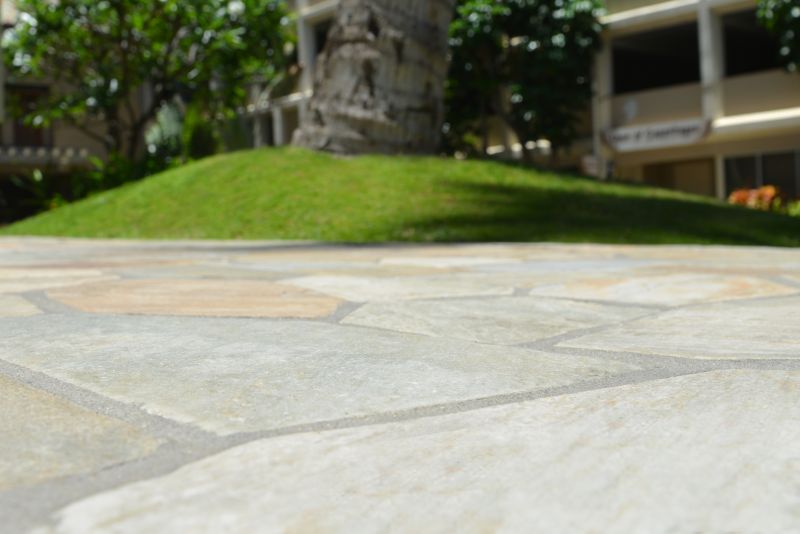 Flagstone repairs are an essential part of maintaining and restoring outdoor patios, walkways, and garden features. When flagstones become cracked, loose, or uneven over time, selecting the right repair products can help ensure a durable and aesthetically pleasing result. Repairing flagstones involves addressing issues such as shifting, cracking, or sinking, which can be caused by ground movement, weather conditions, or heavy foot traffic. Proper repair products can help stabilize the stones, fill gaps, and restore the surface to its original appearance.
Top Overall Option
Flexible Repair Sealant
A versatile and durable repair sealant designed for outdoor stone surfaces, this product offers excellent adhesion, flexibility, and weather resistance. It is suitable for filling cracks, sealing joints, and bonding loose stones, helping to maintain the integrity of flagstone surfaces over time.
Types of Products For Flagstone Repairs
Polyurethane Sealant
Provides flexible, weather-resistant sealing for cracks and joints in flagstone surfaces.
Epoxy Adhesive
Strong bonding agent ideal for fixing loose or cracked stones with a durable finish.
Polymer-Based Patching Compound
Used for filling larger gaps and leveling uneven surfaces with a flexible, resilient material.
Mortar Mix
Traditional repair material suitable for re-setting stones or filling deep gaps.
Concrete Patch
Suitable for repairing damaged or crumbling sections of flagstone surfaces.
Silicone Sealant
Ideal for sealing small cracks and preventing water infiltration.
Flexible Caulk
Useful for filling narrow joints and minor cracks with flexibility.
Grout
Enhances joint stability and appearance between flagstones.
Waterproofing Sealant
Provides an extra layer of protection against moisture penetration.
Stone Adhesive
Specialized glue for bonding broken or loose stones securely.
Polymer-Modified Mortar
Offers enhanced bonding strength and flexibility for flagstone repairs.
Joint Stabilizer
Helps prevent shifting and settling of flagstone joints.
Concrete Resurfacer
Used to restore the surface finish of worn or stained flagstone areas.
Crack Filler
Designed for quick filling of small cracks to prevent further damage.
Stone Restorer
Restores color and appearance to weathered or stained flagstones.
Outdoor Grout
Formulated for exterior use, providing durable joint filling.
Polyurethane Foam
Fills large voids and provides insulation for flagstone structures.
Popular Choices
Widely used for its adaptability and weather resistance in outdoor repairs.
Known for its strong bonding capabilities for cracked or loose stones.
Preferred for filling larger gaps and restoring uneven surfaces.
Commonly selected for re-setting or stabilizing flagstones.
Popular for small crack sealing and water-tight repairs.
Chosen for added protection against moisture and weather damage.
Frequently used for bonding broken or loose stones securely.
Effective in preventing joint shifting and maintaining surface stability.
Ideal for quick, minor repairs to prevent further deterioration.
Popular for filling and stabilizing joints in exterior flagstone surfaces.
Used for large void filling and structural stabilization.
Selected for restoring worn or stained flagstone surfaces.
Valued for enhancing appearance and longevity of weathered stones.
Chosen for narrow joints and minor crack filling with flexibility.
Utilized for repairing damaged or crumbling flagstone areas.
Provides a quick fix for sealing joints temporarily.
Offers a comprehensive solution for various repair needs.
Used to match or refresh grout color for aesthetic consistency.
Choosing suitable repair materials requires understanding the nature of the damage and the type of flagstone surface. For minor cracks and small gaps, flexible fillers and patching compounds are often sufficient. For larger shifts or sinking stones, more substantial solutions like mortar mixes or adhesive compounds may be necessary. It's important to consider the compatibility of the repair product with the existing stone material to prevent further damage or discoloration. Additionally, weather-resistant and long-lasting formulations can help ensure the repair holds up over time, especially in outdoor settings.
Preparing the area properly before applying repair products is crucial. This may include cleaning the surface thoroughly, removing loose debris, and ensuring proper drainage to prevent future issues. Applying the repair product according to manufacturer instructions, with attention to curing times and environmental conditions, can significantly influence the longevity of the repair. Regular maintenance and inspections can also help catch problems early, making minor repairs easier and more effective.
Whether you are fixing a small crack or undertaking a more extensive repair project, selecting the right products tailored to your specific needs can make the process smoother and more successful. From adhesives to fillers and sealants, the array of available options can accommodate various types of damage and repair goals. Investing in quality repair products can help preserve the beauty and functionality of your flagstone surfaces for years to come.
Key Buying Considerations
- Compatibility with existing flagstone material to ensure proper adhesion and appearance.
- Weather resistance and durability for outdoor applications in your climate.
- Flexibility of the repair product to accommodate ground movement and prevent cracking.
- Ease of application, including drying and curing times suitable for your schedule.
- Type of damage being repaired—cracks, gaps, loose stones, or surface damage—may require different products.
- Waterproofing properties to prevent future water infiltration and freeze-thaw damage.
- Color matching or neutral formulations to blend seamlessly with existing stones.
- Longevity and resistance to UV exposure to maintain appearance over time.
- Ease of cleaning tools and surfaces after application, especially in outdoor settings.
- Cost-effectiveness considering the size of the repair project and product coverage.
- Environmental conditions during application, such as temperature and humidity, which can affect curing.
- Availability of the product and whether it is suitable for DIY use or professional application.
- Safety considerations, including non-toxicity and proper handling instructions.
- Presence of additional features like anti-microbial properties or stain resistance.
- Compatibility with other repair materials if multiple products are used in conjunction.
This content contains affiliate links. We may earn a commission if you make a purchase through these links, at no additional cost to you.